


Finding Calm in Circles: Why Mandala Coloring is the Mental Reset We Didn’t Know We Needed
Lately, something unexpected has been happening in quiet corners of homes—at kitchen tables, on living room couches, and under the soft light of bedside lamps. Grown-ups, colored pencils in hand, are coloring again. But this isn’t about cartoon characters or childhood nostalgia. It’s about something deeper: calm, focus, and emotional healing. And at the heart of this quiet shift? Mandala coloring books.
Once seen as just a kids’ pastime, coloring is making a strong comeback among adults looking for a break from stress. And mandalas, with their soothing symmetry and rich history, are leading the charge.
The Coloring Craze That Never Really Left
Adult coloring books really took off around the mid-2010s. Titles like Secret Garden by Johanna Basford didn’t just fly off shelves—they launched a full-blown movement. Today, you can find coloring books for just about any interest. But mandala designs continue to stand out.
So, what makes mandalas so different? For one, they’re not just pretty patterns. The word “mandala” comes from Sanskrit and means “circle.” These intricate designs radiate out from a central point, symbolizing unity, balance, and the bigger picture of life. They’ve been used for centuries in spiritual practices, especially in Hindu and Buddhist traditions, to help with focus and meditation.
Now, people are embracing mandalas not for spiritual reasons, but because they offer something we all need: a mental breather.
Why Your Brain Loves Mandalas
It might seem simple—coloring shapes on a page—but it turns out this activity has real mental health benefits. A 2005 study in the Art Therapy journal found that spending just 20 minutes coloring mandalas helped reduce anxiety more than free drawing or coloring blank pages.
Here’s why: coloring these symmetrical designs helps the brain enter a focused, almost meditative state known as “flow.” In this mode, your mind takes a break from overthinking and worrying. Your nervous system shifts gears from fight-or-flight to rest-and-digest, and suddenly, things start to feel… quieter.
For folks juggling work, parenting, or just constant notifications, this kind of mental reset is gold. And unlike traditional meditation, which can feel intimidating or hard to stick with, coloring is simple. No training, no rules. Just you and the page.
Creativity Without the Pressure
Another reason mandala coloring is so appealing? You don’t need to be an artist. The outlines are already there—you just fill them in. There’s no blank canvas staring back at you, no pressure to be “good.” Just color, however you want.
This kind of low-stakes creativity is rare in adult life. Many of us stopped drawing or painting years ago because we felt we weren’t “talented.” But coloring mandalas brings back that joy of expression without fear of judgment. And your color choices can actually say a lot. Maybe you gravitate toward calming blues one day, or feel pulled to vibrant reds the next. It’s a subtle, personal way of tuning into how you’re really feeling.
Patterns That Reflect Peace
Mandalas are all about balance. Their radial symmetry—equal parts branching out from the center—can bring a sense of inner stability. Psychologists say our brains respond positively to patterns and order, especially when the outside world feels unpredictable.
Some people even find healing through the process. One woman, going through a tough divorce, shared that coloring mandalas helped her feel like she was “putting herself back together, piece by piece.” Therapists are taking note too. Many now include mandala coloring in sessions to help clients with anxiety, trauma, or depression.
As one therapist explained, “Sometimes it’s easier to show emotions through color than to explain them with words.”

Simple, Affordable, and Easy to Share
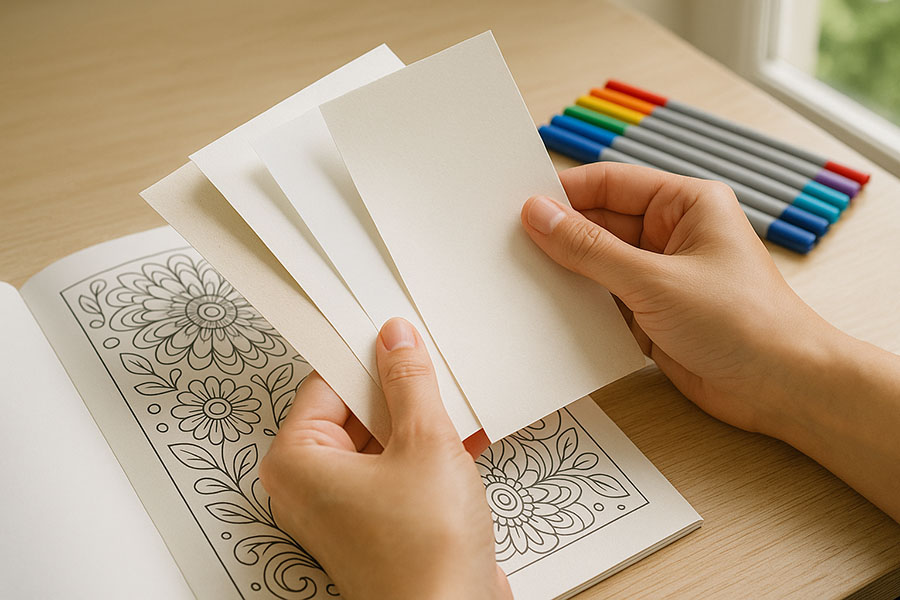
You don’t need much to get started—a coloring book, some pencils or markers, and a bit of time. There’s no schedule, no sign-up, no ongoing cost. That’s part of what makes it so accessible.
And it’s not just a solo activity. A thriving online community has sprung up around mandala coloring. People share their work, swap tips, and talk about how it’s helped them. Search hashtags like #mandalacoloring or #coloringforcalm, and you’ll find thousands of posts from people turning stress into art.
Some even frame their finished mandalas or give them as gifts. Each one becomes a small piece of personal history—a reminder that they took time for themselves.
More Than a Hobby
For many, coloring mandalas is just the beginning. It opens the door to other wellness practices like journaling, meditation, or even drawing their own mandalas from scratch. And in places like schools, hospitals, and high-pressure offices, coloring breaks are showing up as tools for stress relief and team bonding.
It’s a simple activity, but the effects can ripple out in meaningful ways.
Choosing the Right Book
If you’re thinking of giving it a try, look for books that offer a range of design complexity. Some days, you might want something simple. Other days, you’ll want to dive into a detailed challenge. Go for thick paper to avoid marker bleed, and consider books that include calming prompts or quotes.
A few favorites include Mandala Coloring Book for Stress Relief by Color Therapy Press and Healing Patterns—both well-reviewed for their mix of beauty and intention.
A Small Act of Self-Kindness
In a world that constantly tells us to go faster, do more, and stay plugged in, mandala coloring offers something radical: a chance to slow down and reconnect—with yourself.
You don’t need to be an artist. You just need a few minutes, some color, and the willingness to pause. In return, you might find a little more calm, a bit more clarity, and maybe even a new habit that makes life feel a bit lighter.
So the next time stress hits hard, skip the scroll or the snack. Pick up a mandala and color your way back to peace.

0 Comments